WATER
Find the stop tap
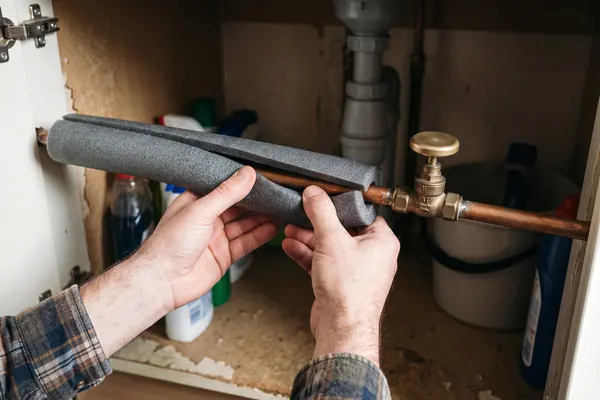
The water watchdog CCW says to find your stop tap, often under the kitchen sink, lag exposed pipes and cover outside taps before freezing weather.
The full list doodletodos
A WINTER TO-DO LIST
A few jobs in autumn save a lot of trouble in January.
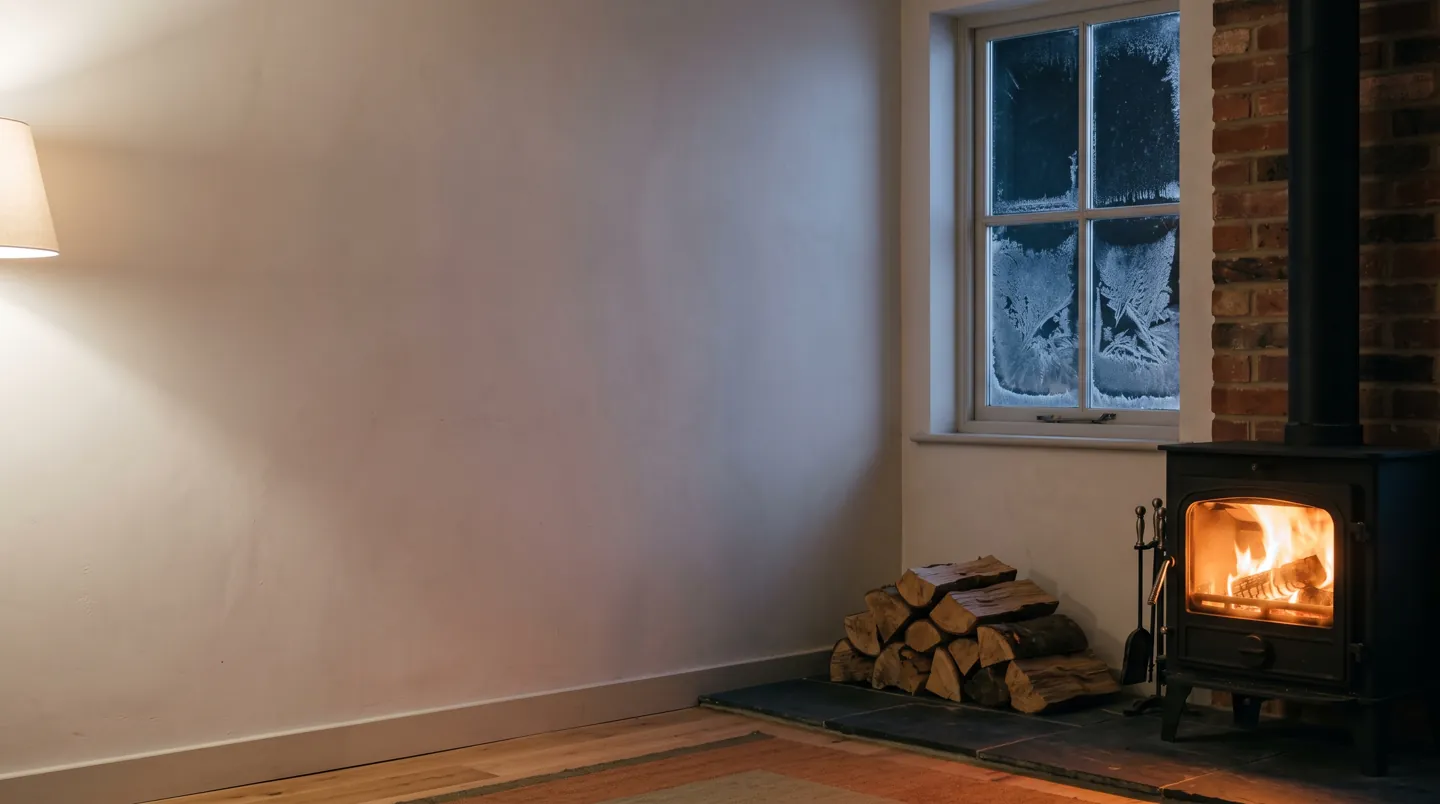
When the cold arrives, pipes can freeze and stoves, fires and boilers come back into use. Here is a short list of what the NHS, fire and rescue services and the water consumer watchdog advise doing before winter, and why.
TICK IT OFF before winter
Check your chimneyTHE SHORT ANSWER
Water, fire and fumes:
the winter risks official advice keeps returning to.
WATER
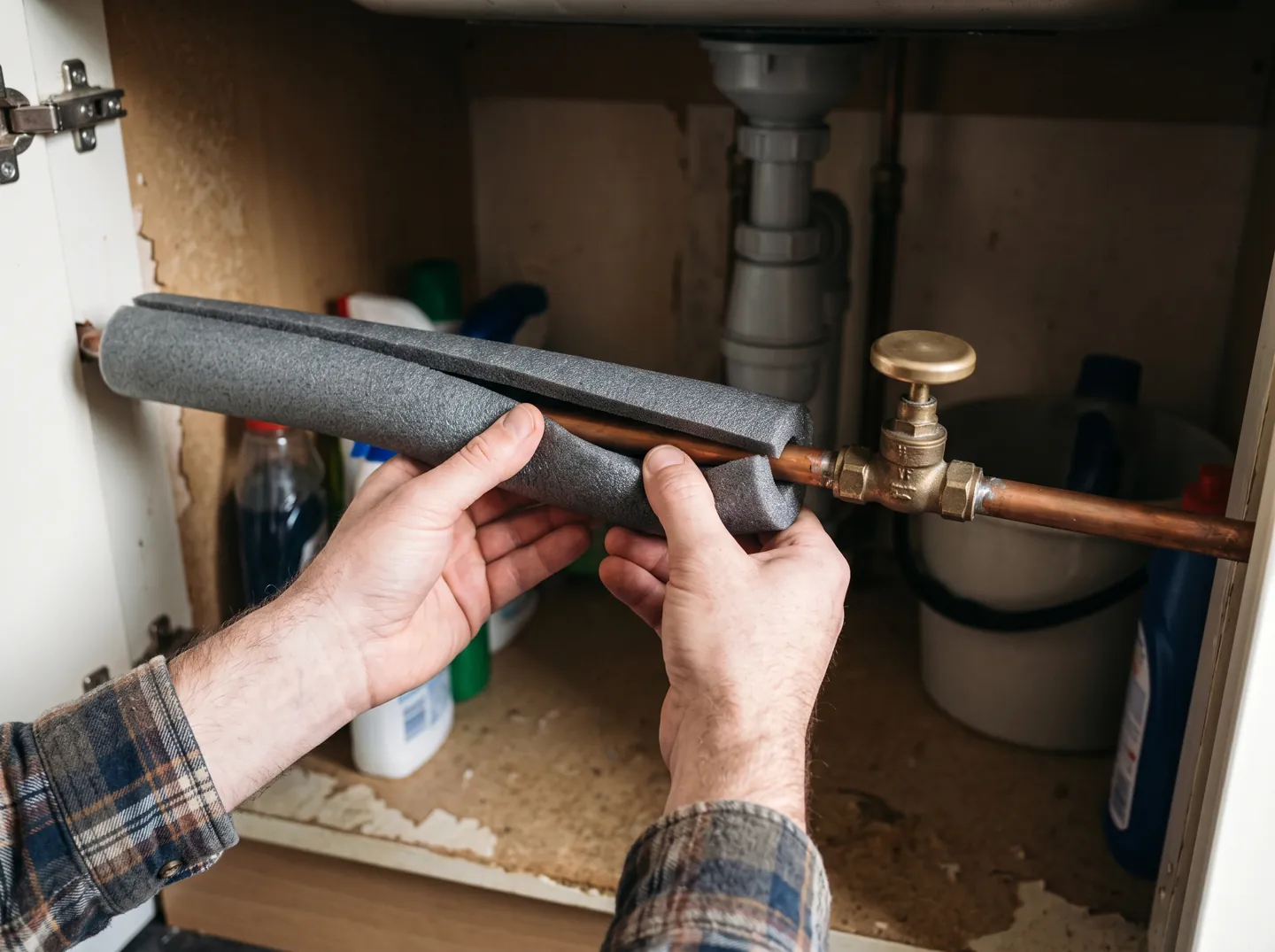
The water watchdog CCW says to find your stop tap, often under the kitchen sink, lag exposed pipes and cover outside taps before freezing weather.
The full listCHIMNEYS
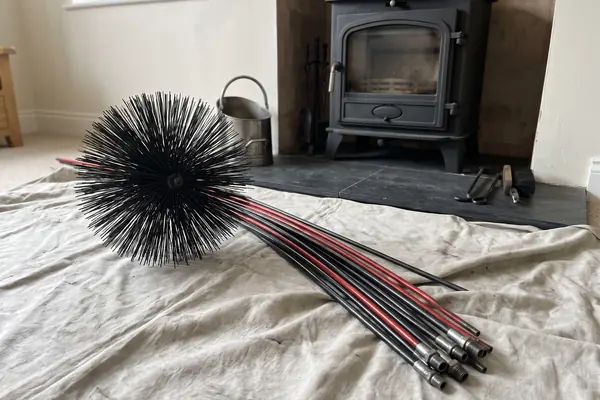
A wood-burning stove in use needs sweeping every three months, says chimney sweep guidance quoted by fire and rescue. Sweep before use if it has stood idle.
Check your chimneyFUMES
The NHS advises a carbon monoxide alarm in each room with an appliance that burns gas, oil, coal or wood, and regular servicing by a registered engineer.
Why it matters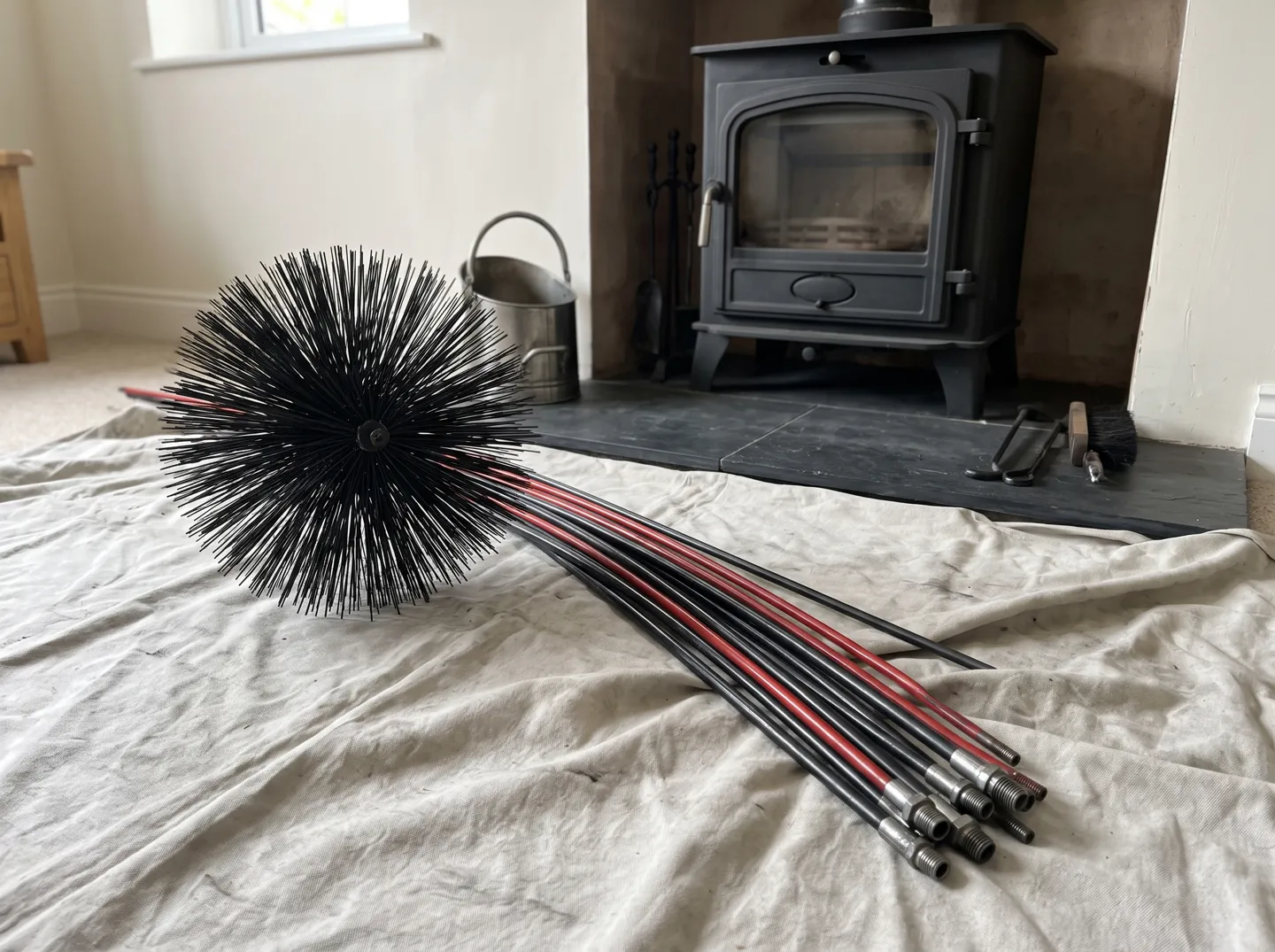
THE LIST
None of these needs much money. They are the steps official UK advice repeats before winter.
Know where it is so you can turn the water off fast. Lag exposed pipes, cover outside taps, and fit insulating jackets on tanks and cisterns.
Sweep chimneys as often as your fuel needs, and have boilers, heaters and cookers serviced regularly by a qualified, registered engineer.
A carbon monoxide alarm in each room with a fuel-burning appliance, smoke alarms where fires could start, and a heat alarm in the kitchen.
Turn off the stop tap and the boiler or immersion heater, turn on the taps to reduce flooding, soak up leaks and call a professional plumber.
TWO NUMBERS WORTH KNOWING
How often a busy wood burner needs a sweep,
and where most home fires begin.
3 months
Sweeping interval for a wood burner in use
Firewood should be dry and well seasoned, which usually takes about two years. If creosote is not removed, it can ignite and cause a chimney fire.
CHIMNEYS · FIRE AND RESCUE
≈ 60%
Share of home fires that start in the kitchen
London Fire Brigade says smoke alarms do not suit kitchens: fit a heat alarm there instead, and smoke alarms in every room where a fire could start.
HOME FIRES · LONDON FIRE BRIGADE
Carbon monoxide has no colour or smell. The NHS lists headache, dizziness, feeling sick, weakness, tiredness and confusion among the symptoms, which may ease when you leave the affected room.
A QUICK CHIMNEY CHECK
Pick what you burn to see how often the National Association of Chimney Sweeps' guidance, as published by Mid and West Wales Fire and Rescue Service, says to have the chimney cleaned. The bar shows how often.
Guidance from Mid and West Wales Fire and Rescue Service, quoting the National Association of Chimney Sweeps. Use a proper chimney sweep, not a household vacuum cleaner.
IF A PIPE FREEZES
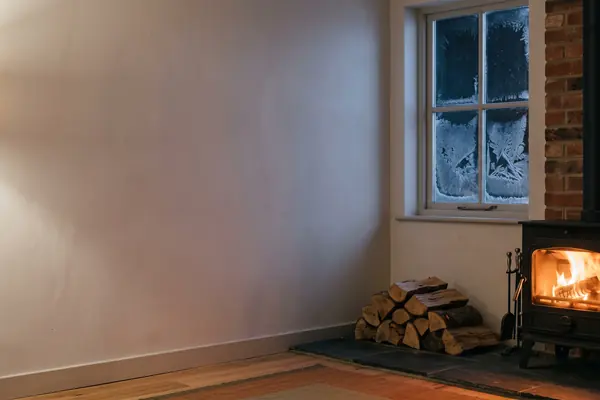
CCW lists the signs of a frozen pipe: no running water or only a trickle, frost on a visible pipe, odd smells from taps or drains, or a boiler that won't start or gurgles. Turn off the water at the stop tap, switch off the immersion heater and heating, thaw the pipe slowly (never with a naked flame) and contact a registered plumber.
If you think a gas appliance is leaking carbon monoxide, the NHS says to call the free National Gas Helpline on 0800 111 999, open 24 hours a day. Call 999 if someone is struggling to breathe, confused or unconscious.
Questions
CCW says it is usually under the kitchen sink, but it could be elsewhere in the house, or even outside. Finding it before winter means you can turn the water off quickly if a pipe bursts.
Every three months while it is in use, according to the National Association of Chimney Sweeps guidance quoted by Mid and West Wales Fire and Rescue Service. Sweep before use if it has not been used for some time.
The NHS advises one for each room containing an appliance that burns gas, oil, coal or wood, choosing an alarm that makes a loud sound if carbon monoxide is present.
London Fire Brigade says smoke alarms are not suitable for kitchens because of cooking fumes and steam. Fit a heat alarm there instead.
Turn off the water at the stop tap and switch off the boiler or immersion heater, turn on the taps to reduce flooding, soak up leaks, then call a professional plumber.
Updated
ABOUT THIS NAME
doodletodos.com is part of the DoodleSale portfolio. It isn't in an auction right now, but you can ask about leasing it.